
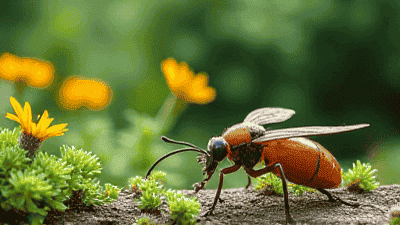
Creating a thriving garden requires more than just planting seeds and providing water; it also involves protecting your plants from pests. Garden pests can wreak havoc on your hard work, consuming leaves, stems, and fruits, ultimately reducing yields and affecting the overall health of your plants. While chemical pesticides are often the go-to solution for many gardeners, they can have detrimental effects on the environment, beneficial insects, and even human health. Fortunately, there are effective, sustai
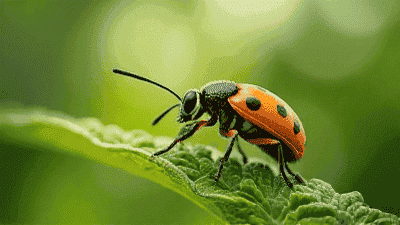
Gardening can be a delightful and rewarding activity, but it can also present unique challenges. One significant challenge that many gardeners face is managing invasive plant species. These plants can outcompete native flora, disrupt ecosystems, and attract a variety of pests that further complicate garden management.
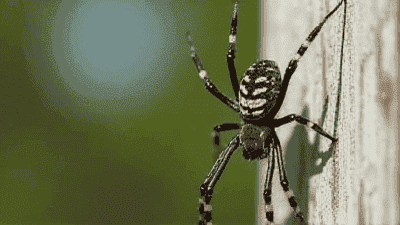
Spiders play a critical role in the ecosystem, acting as natural pest controllers in gardens and homes. However, when their presence becomes overwhelming, they can lead to feelings of unease and anxiety for many homeowners. Understanding the signs of a spider infestation is essential for addressing the problem effectively and ensuring a comfortable living environment.
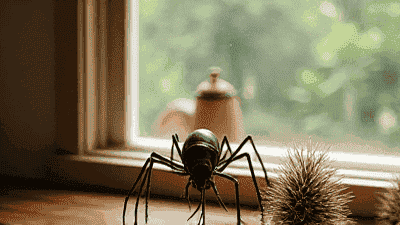
When it comes to maintaining a safe and comfortable living environment, pest control is a critical consideration for homeowners. Pests can cause significant damage to the structure of your home, compromise your health, and create unsanitary living conditions. Understanding which pests are most likely to invade your home, the damage they can inflict, and methods of prevention can help you safeguard your property and ensure a pest-free environment.
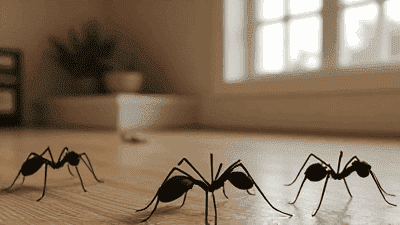
Ants are one of the most common and persistent pests that can invade kitchens. Their ability to form large colonies and their natural instinct to follow food sources make them a formidable foe for homeowners. Preventing ants from invading your kitchen is essential not only for maintaining a clean and healthy environment but also for protecting your food and belongings.